Creative is the most important variable in Meta Ads performance. However, success does not come from random testing — it comes from a structured framework that allows consistent discovery and scaling of winning creatives.
This framework ensures that testing is intentional, measurable, and repeatable.
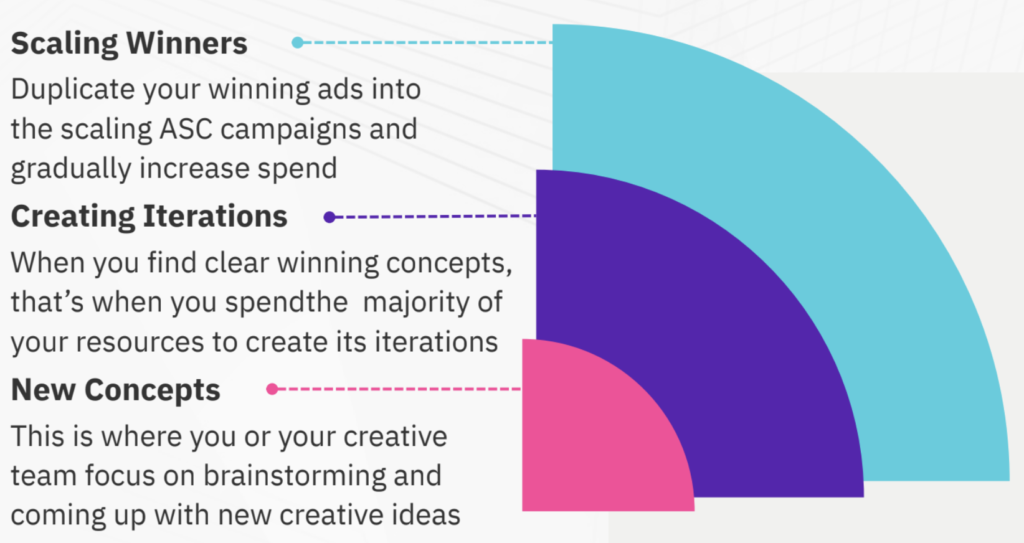
Step 1: Start with Creative Concepts
Every high-performing creative begins with a strong concept. This concept is built around key elements such as the hook, the value proposition, relatability, and a clear call to action.
Instead of jumping into small changes, the focus should be on developing distinctly different ideas that can be tested against each other.
Step 2: Horizontal Testing
The first phase of testing focuses on exploring different creative directions. This could involve different messaging angles, visual styles, or product benefits.
The goal is to identify which concept resonates most with the audience. Since the algorithm requires time to learn, these tests should run long enough to generate reliable data.
Step 3: Vertical Testing (Iterations)
Once a concept shows promise, the next step is to refine it through iterations.
This involves testing variations such as:
- Different formats
- Different visuals or models
- Different calls to action
- Different durations
These iterations help identify what specific elements drive performance improvements.
Step 4: Execution Framework
Creative testing should always follow a structured process.
This includes:
- Defining a clear hypothesis
- Selecting primary success metrics like CPA or ROAS
- Setting a minimum spend threshold
- Running tests for a fixed period
- Making a clear decision to scale or stop
This approach removes randomness and ensures consistency in decision-making.
Step 5: Scaling Winners
When a creative proves successful, it should be scaled carefully.
This means increasing budget gradually or moving it into scaling campaigns designed for growth. However, a creative must spend enough before being considered a true winner — early results with low spend are not reliable indicators.
Step 6: Continuous Creative Production
Scaling is directly tied to creative volume. The more concepts and variations you test, the higher the probability of finding winners.
Creative production should be ongoing, with a focus on speed and consistency. Fatigued creatives should be replaced quickly to maintain performance.
Supporting Framework: PET Model
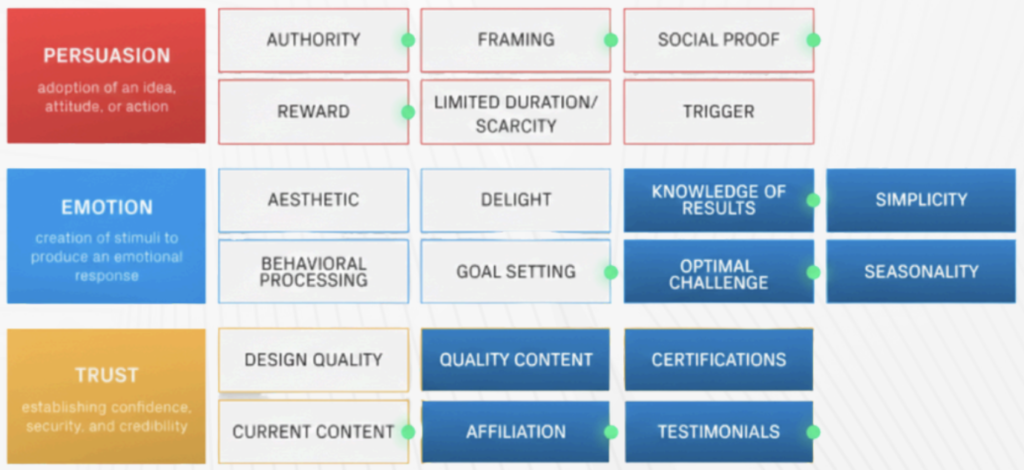
The PET framework (Persuasion, Emotion, Trust) can be used to guide creative development.
It helps structure ideas and ensures that creatives are built on psychological drivers that influence user behavior.